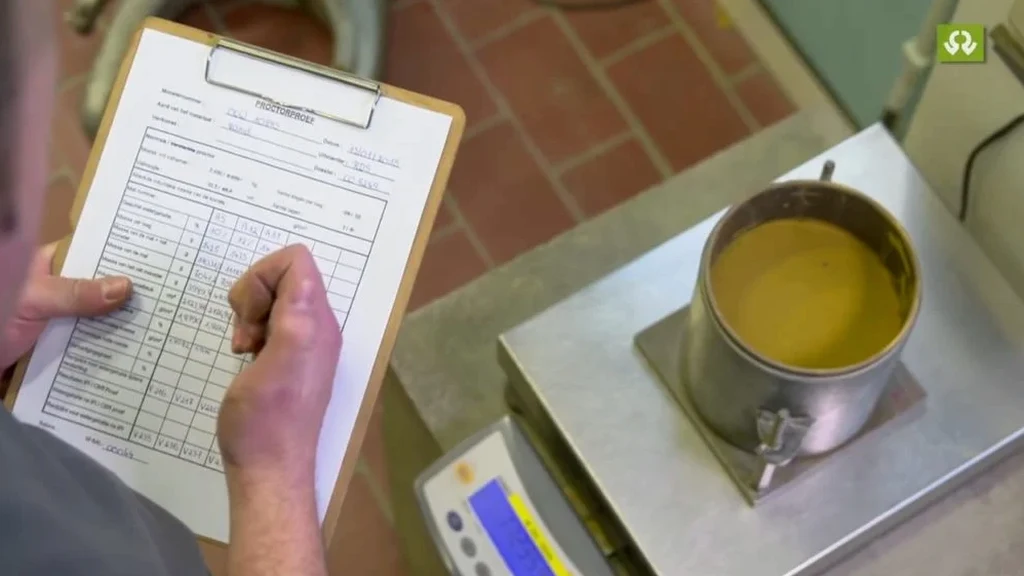
Compaction control in Brampton starts with a defensible Proctor reference curve—without it, every field density test is guesswork. The Ontario Building Code references ASTM D698 and D1557 as the benchmark for fill placement acceptance, and municipal inspectors across Peel Region routinely require lab-derived maximum dry density and optimum moisture content before signing off on road subgrades, utility trench backfill, or structural fill pads. Brampton’s glacial till and clay-rich Halton Till demand careful moisture conditioning; the difference between Standard and Modified Proctor can shift acceptance criteria by over 5 percent density, which translates directly to long-term settlement performance. When we run a sand cone density test against a properly developed Proctor curve, the field compliance picture becomes unambiguous for the geotechnical engineer of record.
A Proctor curve built from four well-spaced moisture points is worth more than a hundred field density readings taken against a borrowed reference.